Have you ever wondered why our vision worsens with age? – for those of us thinking about our future health and wellbeing, our vision is certainly a sense we would like to preserve. Presbyopia is the process by which our eyes gradually become less able to focus at close distances.
Why does this happen?
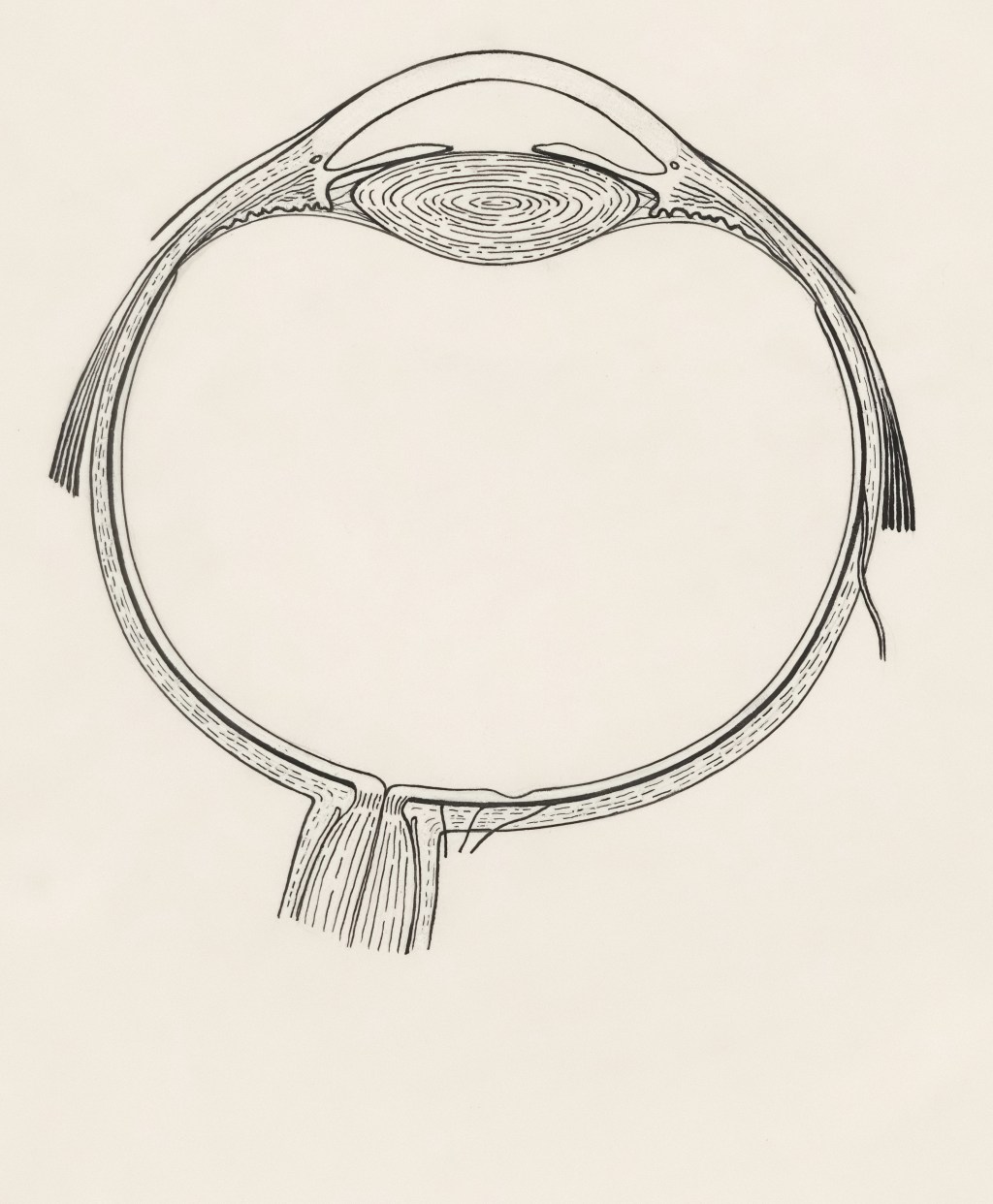
Just like a camera, each of our eyes has a lens, which is just behind the colored part of the eye (the iris). This lens is responsible for focusing on whatever we are looking at by changing shape. When we want to focus on something nearby, like a book or a phone, the muscles and fibers around our lens automatically respond by bending the lens, making it rounder and thicker, and causing it to magnify what we are looking at. This process is called accommodation, and gradually, with time, the ability for our eyes to accommodate and focus on things that are near to us reduces. This is why you’ll often find people who are beginning to struggle with their near vision holding things further away to be able to see them.

At what age does vision worsen?
This process usually begins at around 40 and progresses until the age of about 65, which is when we lose our ability to accommodate all together. It is important to note that this only impacts near vision. Our distance vision is unaffected by presbyopia, though there are other aging processes such as cataracts or macular degeneration which can impact distance vision.
How to fix presbyopia?
The easiest and most predictable way of remedying the effects of presbyopia are with lenses. This can be in the form of glasses, multifocal contact lenses or hand held magnifiers. For those who do not wish to use lenses, minor surgical procedures can restore your near vision permanently. This involves replacing your natural lens with an artificial one which is specifically designed to allow you to read without spectacles, without compromising your distance vision.
 Lumenza
Leave a comment